
Today I decided to discuss a topic close to my heart: intercultural relationships. I am no stranger to the concept, as I am the product of an intercultural union and happen to be myself in a relationship with someone who does not share my culture(s). I was born and raised in France; my mother is French, and my dad is from Cameroon. My partner was born and raised in Bangladesh and moved to the US when he was a preteen. Our families also have different religious backgrounds, and as you can imagine, as wonderful as it is, this also comes with its challenges at times.
In today’s post, I would like to share with you a few things we’ve learned along the way, from the early days of our relationship until today as we are preparing for our marriage.
Listen
As time passed, I realized how important it was for me to listen to my partner’s experience to have a better idea of what family and society he grew up in, his childhood stories, what life was like in his country, etc.
By simply listening, it gets easier to understand why someone is the way they are and what shaped them to be the person they became.
I often think about how I was raised and where I grew up. I take the time to reflect on how it made me the woman I am today – for the better and for the worse. And it was only by listening to him that I was able to conduct the same reflections. It is crucial for me to understand his childhood, memories, and experiences in order to understand his culture and what is ‘normal’ to him.
This encompasses so many different aspects of life, and I don’t believe that we ever stop learning from one another but keeping in mind that everything is subjective and listening to whatever he might have to say will definitely help me understand his point of view.
Learn
Ignorance will inevitably lead to arguments. Getting to know your partner’s culture will not only help you understand him better, but it will also bring you closer.
We all appreciate when our loved one shows interest in us, and our culture represents a huge part of who we are.
Not only is it a beautiful declaration of love, but it will also be much appreciated by his family and friends.
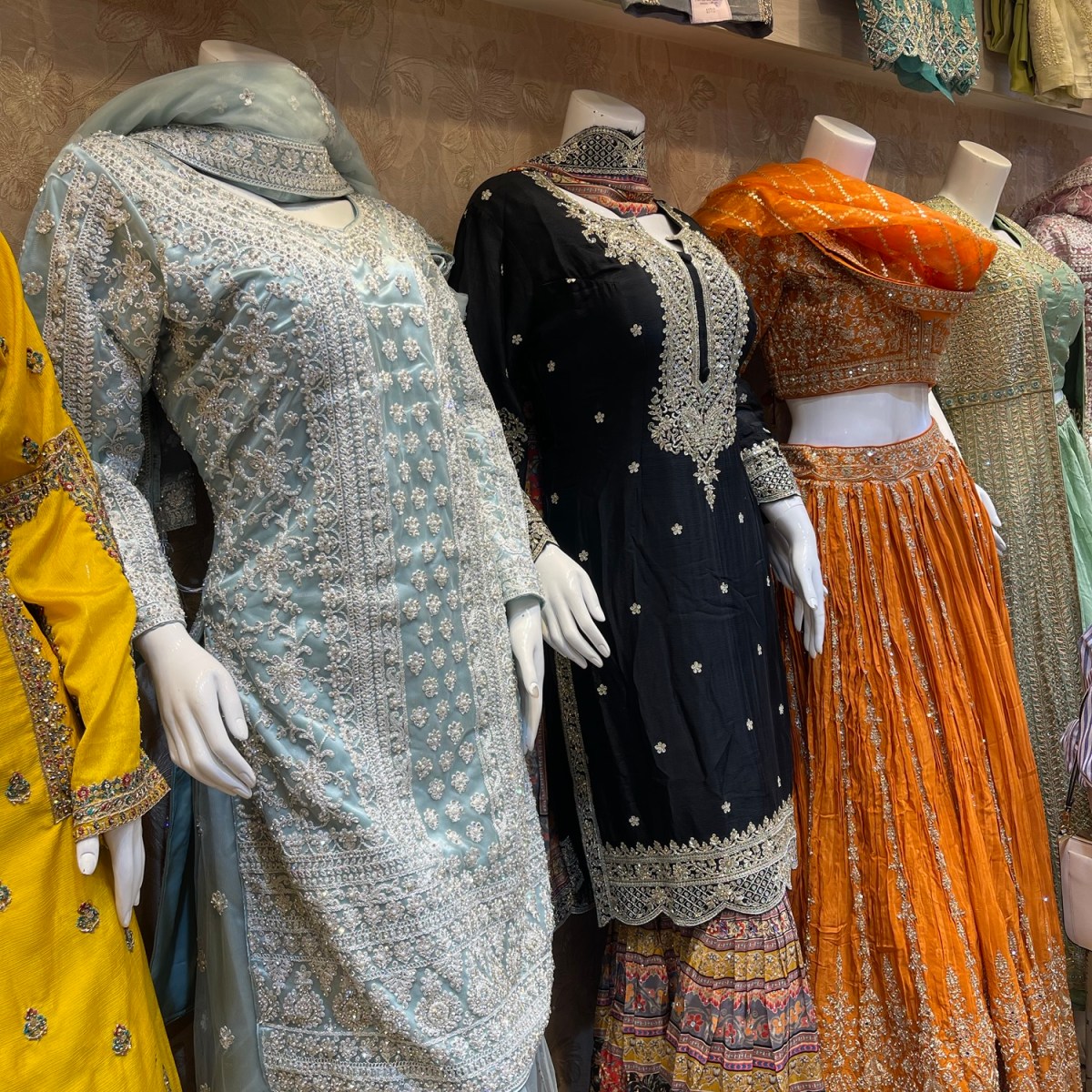
Since A and I began our relationship, I decided to learn Bangla, explore Bangladeshi cuisine, and take an interest in the culture in general. These seemingly small actions made it easier for me to understand his background and gave us one more thing to exchange about.
And as I said earlier, these efforts will not be in vain once you start getting to know his family; hearing his mom laughing and smiling after I speak some Bangla is the most rewarding feeling!
But this will look different for everyone. I happen to love languages and cooking, so I decided to embrace the culture through these two lenses, but there are so many ways to learn more about your partner’s culture and eventually fall in love with it.
Look for the Why
There is one thing I always try to keep in mind when it comes to culture: Why? People follow traditions and behave a certain way for a reason, whether they are aware of it or not. If you take a critical look at your own country’s social norms, I am sure you can think of something that you do not resonate with, but ‘it is just the way it is’. Well, everyone else has similar experiences in their own culture(s). Avoid being quick to judge, take a closer look at whatever you consider to be ‘common sense’ and acknowledge your biases.
Re-define Normal
As I said earlier, concepts like ‘common sense’ and ‘social norm’ are not general truths, and truthfully, they don’t always make sense from an objective point of view.
While we all have common and shared values, many of our opinions, for instance, are completely linked to our culture and not necessarily to our taste or personality, as we like to believe.
By listening to your partner and looking for the ‘why’, you will be able to deconstruct whatever ‘normal’ means to you.
This will help you accept your partner’s differences much better and perhaps further develop your critical thinking skills.
Agree to disagree
I feel like we sometimes have the idea that being tolerant or accepting of someone’s culture means that we lose touch with our own values or that our convictions are maybe not as strong, when in fact, it is very possible to understand someone while disagreeing with them.
And I believe that learning how to agree to disagree can only strengthen one’s relationship, as cultural differences are not the only source of disagreement in a marriage.
Hearing, acknowledging, and respectfully disagreeing is, to me, a beautiful and useful quality to develop as humans, especially in such a diverse world.
Filter bad advice
Last but not least, be selective about the advice you decide to take. I have heard people say that such relationships are too hard, that they never work, etc.
While I believe that we should hear people’s experiences and listen to whatever could help us make informed decisions, there is no need to take everyone’s advice, especially from people who do not have your best interests at heart or simply don’t know what they are talking about.
Now, is it easy all the time? Absolutely not, and depending on your respective families and friends, you could have a very different experience, but at the end of the day, it is ultimately up to two people to decide what is best for them.
I hope this post was somewhat helpful or at least interesting to read. This is a very complicated and sometimes sensitive topic, and every single relationship and experience is unique, but I wanted to share with you what we did to embrace and make the most of our cultural differences.
Until next time!
Garance xx




 Garance Galore
Leave a reply to kamado629c9581d7 Cancel reply